DIY vs. Professional Log Home Maintenance: What You Can Do Yourself (and What You Shouldn’t)

Log homes are beautiful, durable, and built to last — but they do require the right kind of care. If you’re a hands‑on homeowner, you may wonder which maintenance tasks you can safely tackle yourself and which ones should be left to a professional.

The truth is, some DIY tasks are perfectly safe and cost‑effective, while others can lead to expensive repairs if done incorrectly. As a log home restoration and maintenance company serving the Carolinas, we’ve seen both the success stories and the “I wish I hadn’t tried that” moments.

Here’s a clear, builder‑approved guide to help you make the right call.
Get a Quote

What You Can Do Yourself

1. Routine Cleaning

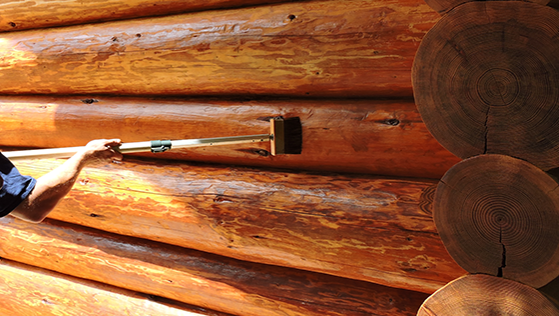
A gentle wash once or twice a year helps remove pollen, mildew, dirt, and debris that hold moisture against the logs.

DIY Tips:

  • Use a soft brush or low‑pressure garden hose
  • Avoid harsh chemicals

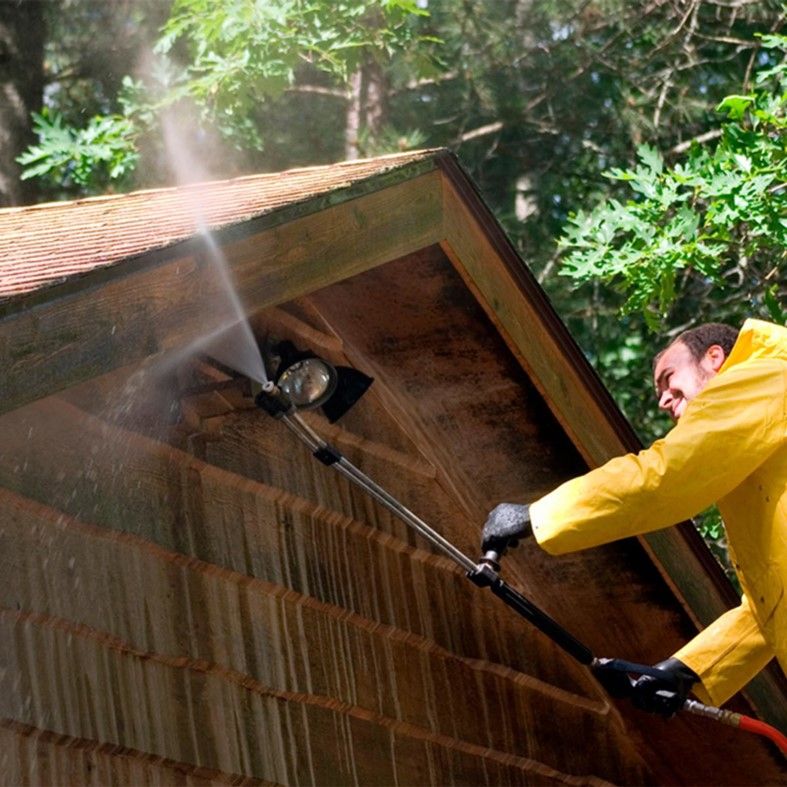
  • Never pressure wash — it damages wood fibers

Cleaning is simple, safe, and one of the best ways to extend the life of your stain.

2. Basic Visual Inspections

Homeowners should walk around their home several times a year to look for:

  • Peeling or fading stain

  • Small cracks or checks

  • Insect holes or sawdust

  • Dark or soft spots

  • Gaps around windows or doors

Catching issues early is the key to preventing major repairs.

3. Light Landscaping Maintenance

Keeping vegetation away from the home is essential.

DIY Tasks:

  • Trim bushes and shrubs

  • Remove vines

  • Keep mulch away from the logs

  • Ensure soil slopes away from the foundation

Good airflow and drainage protect your home from moisture and insects.

4. Gutter Cleaning & Water Management

You can safely handle:

  • Clearing gutters

  • Checking downspouts

  • Adding splash blocks

  • Ensuring water flows away from the home

Water is the #1 enemy of log homes — managing it is crucial.

5. Small Caulking Touch‑Ups

Minor cracks around windows or small checks in logs can be sealed by a homeowner if they know what they’re doing.

DIY Rule: If the crack is shallow and doesn’t feel soft or spongy, it’s usually safe to seal.

Developing a seasonal or annual maintenance plan helps take the guesswork out of log home care. Whether it’s scheduling inspections, performing light cleaning, or monitoring for wear and tear, consistency is key.

Podell finished pic.png

Why Professional Maintenance Matters

Log homes are unique — they require specialized knowledge, tools, and products. A professional can:

  • Identify hidden moisture issues

  • Use stains designed for the Carolina climate

  • Repair logs without compromising structure

  • Prevent small problems from becoming major repairs

  • Extend the life of your home by decades

DIY is great for routine care, but professional maintenance protects your investment long‑term.

What You Shouldn’t Do Yourself

1. Staining or Re-staining the Home

This is the most common DIY mistake we see.

Why it’s risky:

  • Wrong product = trapped moisture

  • Uneven application = premature failure

  • Poor prep = peeling within months

  • Too much pressure washing = damaged logs

Professional staining ensures the right product, prep, and application for the Carolina climate.

2. Rot Repair or Log Replacement

If you see soft wood, dark spots, or crumbling areas, stop right there.

Rot spreads internally and requires:

  • Moisture readings

  • Structural assessment

  • Proper removal of damaged wood

  • Replacement with matching logs

  • Treatment to stop future decay

DIY attempts often hide the problem instead of fixing it.

3. Chinking or Major Caulking Work

Chinking is both an art and a science.

DIY mistakes include:

  • Using the wrong product

  • Applying too thick or too thin

  • Sealing moisture inside the logs

  • Creating gaps that allow air and water in

Improper chinking can cause more harm than good.

4. Structural Issues or Settling

If you notice:

  • Doors or windows sticking

  • Gaps between logs

  • Sagging areas

  • Shifting corners

These are structural red flags. A professional should evaluate the home immediately.

staining.png
3 Lake Norman North Carolina Log Home Construction.jpg

Final Thoughts

DIY maintenance is a great way to stay connected to your home and save money — but knowing your limits is just as important. With the right balance of homeowner care and professional support, your log home can stay strong, beautiful, and protected for generations.

If you’re unsure whether a task is DIY‑safe or needs a professional, Carolina Log & Timber is always happy

to take a look and give honest guidance.

Get a Quote